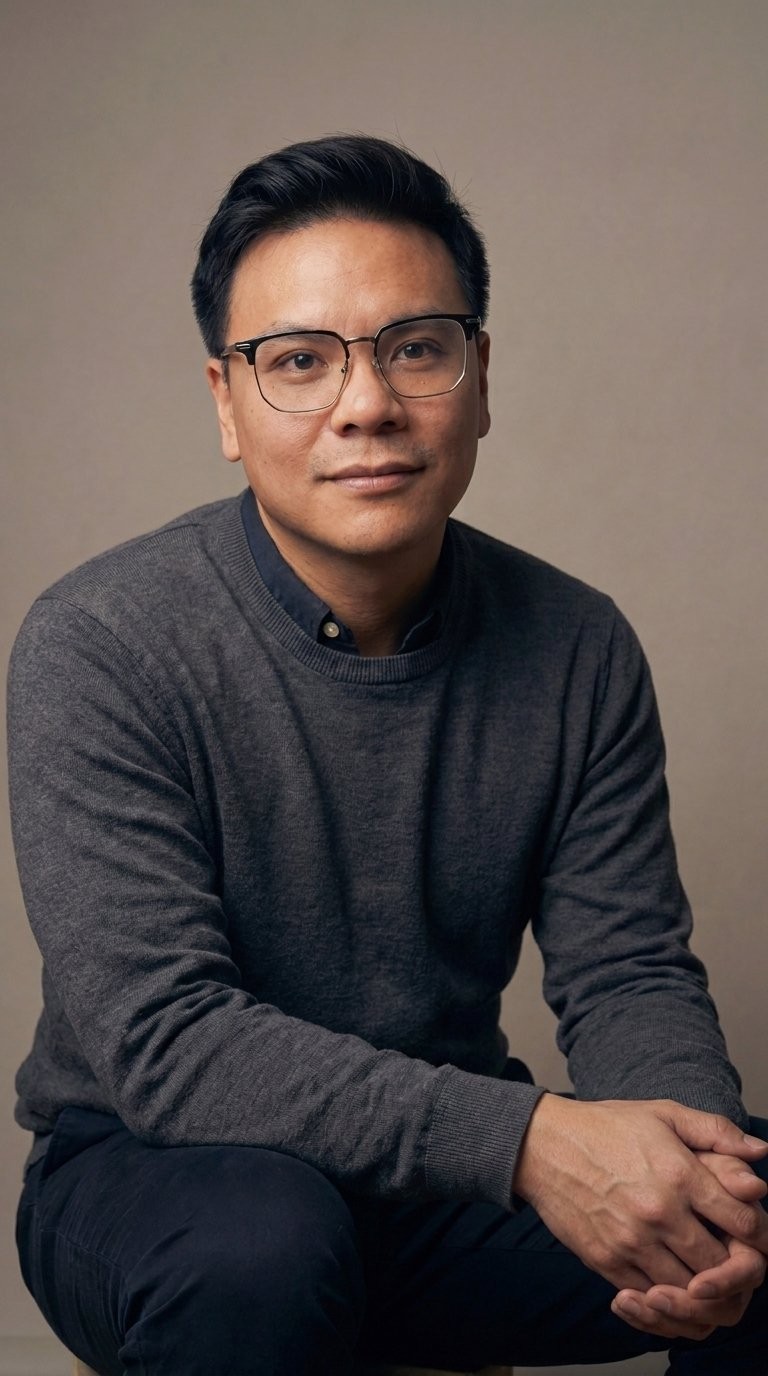
I got into hospitality because I hated paperwork. Nobody tells you that at the end of hospitality, all there is is more paperwork.
Essay No. 01
There’s a version of this story where I tell you I spotted a market gap. Where I ran the numbers, identified an underserved segment, and made a calculated decision to pursue it. That version is cleaner. It sounds like something you’d read in a case study.
It’s not what happened.
What actually happened is that I was supposed to be in the office for eight hours a week.
I got into hospitality because I hated paperwork. Nobody tells you that at the end of hospitality, all there is is more paperwork.
I was the venue manager. Eight hours, in theory. Oversight, check-ins, the things a venue manager does. In practice, I was there for twelve, thirteen hours, still working. Still reading through spreadsheets. Still doing the data entry that nobody had automated, the reports that had to be pulled and formatted by hand, the roster that took three times as long as it should have because the tools we had were the tools we’d always had. Excel, mostly. A lot of Excel.
I kept a smile on my face for the customers. That part I was good at. Behind it, I was running on empty in the way that anyone who’s managed a venue for long enough will recognise. The particular tiredness of having too much to do and not enough hours to do it in, knowing that tomorrow the same amount will be waiting.
I also owned Panda & Co at the time. There was no such thing as a day off. There was the venue, the cafe, the staff, the paperwork. And then, somewhere in the gaps, a life.
I got into hospitality because I hated paperwork. Nobody tells you that at the end of hospitality, all there is is more paperwork.
I started building models on ChatGPT the way most people start building things: out of desperation, not vision.
The first one I called Sushi. My data-hungry colleague who never complained about the volume. Sushi chewed through the spreadsheets: weekly trade reports, revenue breakdowns, COGS commentary, labour analysis, event impacts. Spat out the answers I used to spend half my day hunting for. While I was talking to customers, Sushi was doing the maths. It freed me to actually run the venue instead of just reporting on it.
Then came Nigiri. Less of a workhorse, more of a thinking partner. When I had a supervisor who wasn’t landing, a duty manager who needed a development pathway, a team that needed a reset. Nigiri helped me work through it. Coaching frameworks, training SOPs, staff meeting structures. The kind of considered leadership infrastructure that takes hours to build properly and never gets done when you’re busy. Nigiri made sure it got done.
Then Sashimi. The quiet one. Built not for the venue but for me. To help me actually use my days off instead of spending them catching up on my own life. Budgeting, longer-term planning, weekly routines. Sashimi was the model that asked the questions I kept avoiding. It turns out I needed that too.
I trained all three over a period of weeks, built a standalone dashboard, and migrated them onto my local machine where they now live together in what I call the bento box. The irony of the names wasn’t lost on me. I’m Vietnamese-Chinese, and naming a suite of AI models after Japanese food was always going to raise an eyebrow. But it was what I was eating when I built them, so I just had to roll with it. I am at peace with this.
Around the same time, I bumped into Mike. Coming in for a pint after a long day, to say G’day.
Mike was a carpenter who’d just started a new business with his dad. He told me about what it was like getting the business off the ground. His dad handling the invoices the old way, by hand. Phone calls going unanswered because they were on a job and couldn’t stop. No website. No time. No particular technical knowledge, and no clear path to getting any of it sorted.
I’d been building the bento box because I needed it for myself. Sitting across from Mike, something clicked. I recognised the problem. I’d been living a version of it for years. The weight of the work that sits behind the work. The invisible second job that every small business owner carries.
I offered to build him a website. Free, just to help. We kept talking about what else I could take off his plate.
That conversation is where OTW Studios actually starts.
When a small business gets five hours back a week, that’s a Sunday.
Here’s the thing about Sushi, Nigiri, and Sashimi: none of them would survive procurement at a corporate giant.
They’re too specific. Too idiosyncratic. Too built-for-one. A corporate giant wants a platform, a roadmap, a vendor with an SLA they can put in a contract. Software that serves a thousand different users in a thousand different contexts. Which means it serves none of them particularly well. Which is fine, because the person buying it is not the person using it.
Mike doesn’t have a procurement department. Neither does the tradie missing calls while he’s under a sink, or the cafe owner doing the books on Sunday night because there was no other time.
These aren’t people who need a platform. They need the thing that handles the thing they hate doing, so they can go back to the thing they’re actually good at.
That’s a narrower brief. It’s also a more honest one.
I’ve thought about why building for corporate giants never appealed to me and I think it comes down to something simple: the work matters more here.
When a small business gets five hours back a week, that’s a Sunday. That’s the afternoon someone actually takes off for the first time in months. That’s the evening they’re present for instead of on their phone catching up. A five-hour efficiency gain at a corporate giant is a line item in a quarterly review. At a small business, it’s someone’s life, in a material and immediate way.
I know this because I’ve lived it. I understand what it costs. Not in productivity terms. In the ordinary human terms of keeping a smile on your face for the customers while the spreadsheets pile up behind you.
The bento box didn’t fix all of that for me. But it changed the shape of the problem enough that I started to think: what if I could do this for other people?
Not corporate giants. The ones running a cafe with twelve staff and no HR department. The ones doing plumbing across three sites, sending invoices from their phone. The ones who are the marketing department and the bookkeeper and the tradie and the manager, all at once, and have been for years.
That’s who I built this for. Because I know them. Because for a long time, I was them.
I still am, a little. The bento box is still on my laptop. Sushi, Nigiri and Sashimi still working away in the background. Quiet hands, doing the work nobody sees. The hours they give me back are hours I get to live life. They’re the reason OTW Studios exists. They give me the time to do the work I care about. Helping other operators get their own hours back.